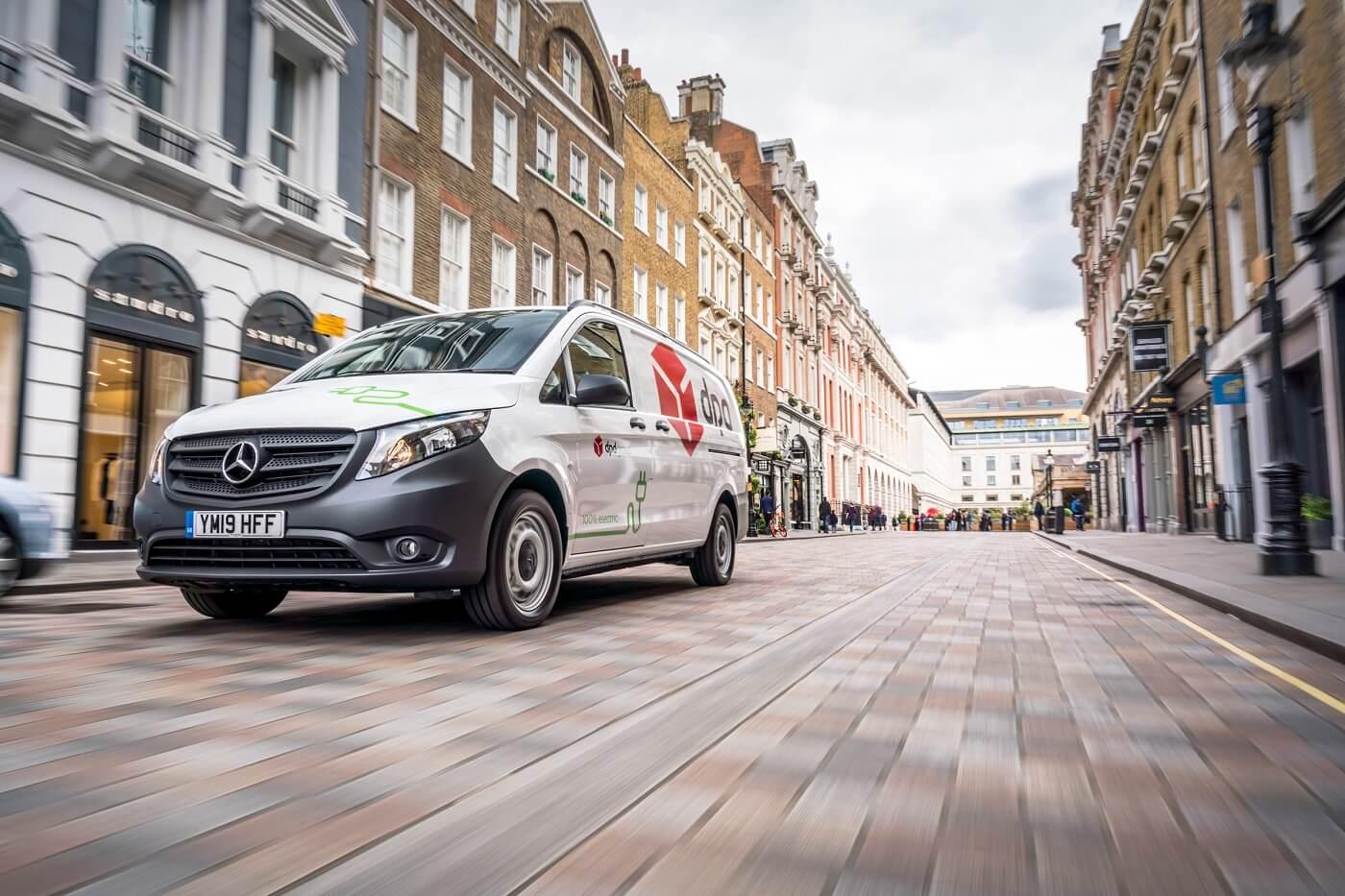
Courier Vehicle Use, Explained.
Hire-and-reward requirements, vehicle suitability, when commercial cover is needed, policy restrictions and general claims considerations.
Courier work and your insurance
Courier work — collecting and delivering parcels or goods for payment — is almost always "hire and reward" use. Like food delivery, this is excluded by standard private policies, but couriers often need broader commercial cover because of the vehicles and volumes involved.
This page explains the main considerations so you can discuss the right cover with an authorised insurer or specialist commercial broker.
Key considerations
Hire-and-reward use
Carrying goods for payment needs a policy that explicitly includes hire and reward. Confirm this is stated clearly in the schedule.
Vehicle suitability
Vans and larger vehicles have different requirements to cars. The vehicle, its weight and its use all affect the cover you need.
Goods in transit
The parcels you carry may need separate "goods in transit" cover. Motor insurance alone often does not protect the goods.
Commercial / fleet cover
Regular courier work, multiple vehicles or employees may require commercial or fleet policies rather than a single personal policy.
Multi-drop vs single-drop
High-volume "multi-drop" work carries different risk to occasional deliveries, and insurers price and define these differently.
Public liability
Depending on your work, you may also need public liability cover. Consider your whole risk picture, not just the vehicle.
Policy restrictions to check
Commercial and courier policies can carry specific conditions. Look for:
- Radius limits (how far from base you may operate)
- Excluded goods (hazardous, high-value or prohibited items)
- Driver age and experience requirements
- Overnight parking and security conditions
- Whether international or ferry journeys are covered
General claims considerations
If you need to claim, accurate records help: delivery logs, photos of damage, and clear notes of what happened. For goods-in-transit claims, proof of the goods’ value and how they were secured is often required.
Because courier work involves frequent stops and tight schedules, insurers pay close attention to how vehicles are loaded, secured and parked. Following the policy conditions carefully protects your ability to claim.
Match the policy to the real work
Common questions
Is courier insurance the same as goods in transit cover?
Can I use a standard van policy for courier work?
Do couriers need public liability insurance?
Does multi-drop work cost more to insure?
Explore your options, pressure-free
Explore educational guidance or ask a general question. Insurance research and paid assistance are not currently available.