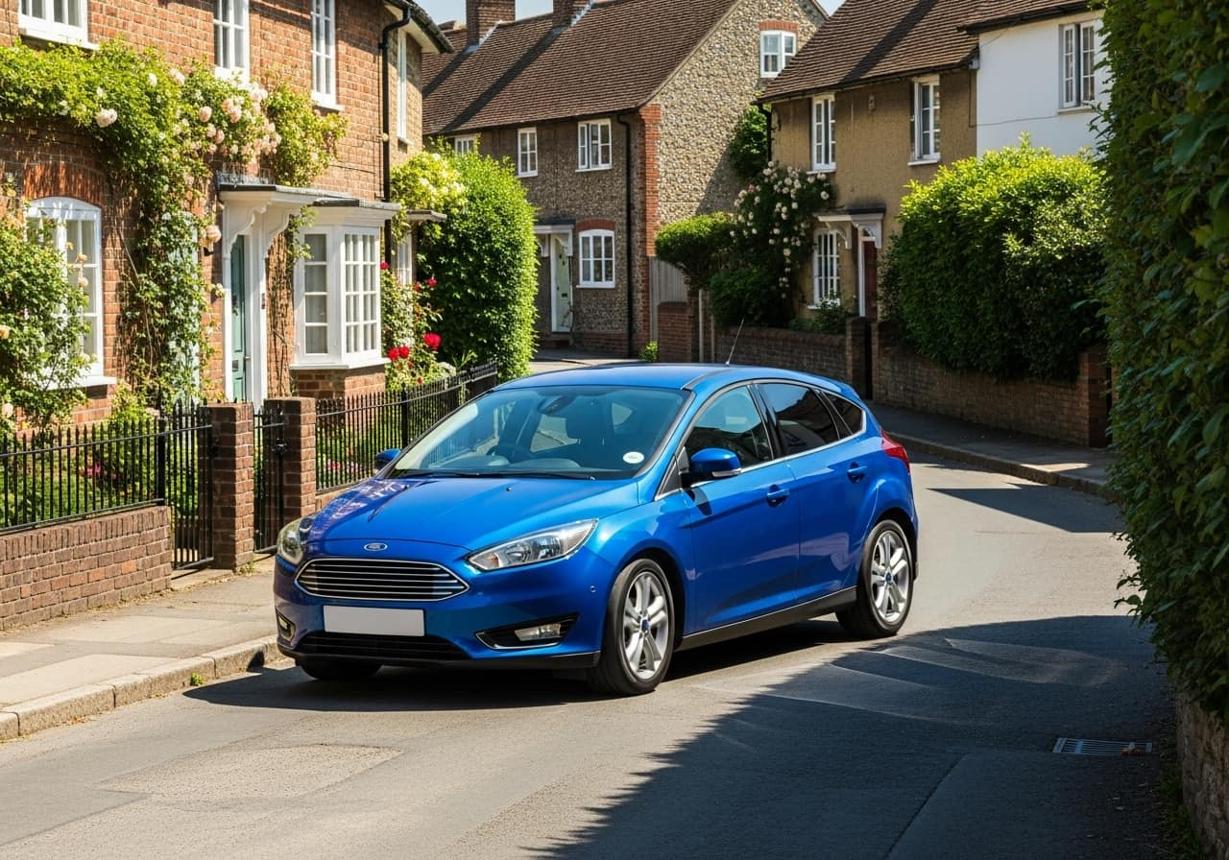
Your First Car. Understand Your Cover.
First-car cover, telematics "black box" policies, named drivers and the rules every new driver needs to understand before buying.
Why young drivers pay more
New and younger drivers typically face higher premiums because, statistically, they are involved in more claims early on. This is about experience and risk data, not a judgement on any individual driver.
The good news is that there are legitimate ways to understand and manage the cost. This page explains the main options and the rules you must follow to keep your cover valid.
Ways cover is commonly structured
First-car cover
Lower-insurance-group cars with smaller engines are usually cheaper to insure. Your first car choice has a big impact on price.
Black box (telematics)
A device or app monitors how you drive. Safe driving can reduce premiums, but harsh braking, speeding or late-night driving may increase them.
Adding a named driver
Adding an experienced driver who genuinely also uses the car can sometimes reduce the premium — but only if it reflects reality.
Telematics: what to expect
Telematics or "black box" policies base your premium partly on your actual driving. Some reward careful driving with lower renewals; others may apply curfews or mileage limits.
Before choosing one, check how driving is scored, whether there are time-of-day restrictions, what happens if you exceed a mileage cap, and whether the policy can be cancelled for poor scores.
Fronting is fraud
Details that must be accurate
Mileage
Estimate your annual mileage honestly. Understating it to lower the price can invalidate a claim.
Main vs named driver
Declare who actually drives the car most often as the main driver. This is critical to a valid policy.
Modifications & use
Declare any modifications and how the car is used (including any commuting or business use).
Common exclusions to check
Young-driver policies often carry extra conditions. Read the wording carefully for restrictions such as:
- Night-time driving curfews on some telematics policies
- Mileage caps, with charges or cancellation if exceeded
- No cover for driving other cars
- Higher compulsory excess for drivers under a certain age
- Restrictions on carrying passengers of a similar age (on some policies)
Common questions
Does a black box track where I go all the time?
Will one year of no claims really help?
Is it cheaper to be a named driver on a parent’s policy?
Explore your options, pressure-free
Explore educational guidance or ask a general question. Insurance research and paid assistance are not currently available.